#1Global7 min read
Why Older Diesels Are Failing DPF Tests Worldwide
Diesel particulate filters fitted to cars built between 2007 and 2015 are now reaching an age where blockage, cracking and ash saturation are routine rather than exceptional. A filter that behaved perfectly for eight years can begin storing fault codes within a single winter, and owners are often told the only fix is a four-figure replacement. The truth is more nuanced. Most failures trace back to a small number of root causes: short-journey driving that never allows a complete regeneration, worn injectors and EGR valves producing excess soot, ash loading from the wrong engine oil, and sensors that drift out of tolerance with age. This article looks at why the global fleet of older diesels is hitting this wall at the same time, how the problem differs by region, and what an owner can realistically do about it.
#2Technology7 min read
How DPF Regeneration Actually Works: Passive, Active and Forced
Almost every diesel particulate filter problem comes down to one question: is the filter regenerating properly? Regeneration is the process of burning trapped soot back into gas so the filter can keep flowing freely, and modern vehicles use three distinct versions of it. Passive regeneration happens quietly whenever exhaust temperatures are naturally high enough. Active regeneration is deliberately triggered by the engine management system, usually by injecting extra fuel to raise exhaust temperature. Forced or service regeneration is commanded by a technician with diagnostic equipment when the vehicle can no longer start one itself. Understanding which type your car is trying to use, and what interrupts it, explains almost every warning light, limp mode and repeat failure that diesel owners encounter in day-to-day driving.
#3Costs6 min read
The Real Cost of DPF Repair Around the World
Quotes for diesel particulate filter work vary more wildly than almost any other repair, and owners are frequently quoted for replacement when cleaning would have solved the problem for a fraction of the price. A forced regeneration at an independent workshop might be a modest bill. A professional off-car clean sits in the middle. A genuine dealer filter for a premium German or Japanese model can cost more than the car is worth. This article sets out realistic price bands for each level of intervention across the UK, Europe, North America and Australia, explains what drives the differences, and shows how to tell which option your vehicle actually needs before you agree to anything expensive.
#4Diagnostics6 min read
DPF Warning Lights Explained: What Each Symbol Really Means
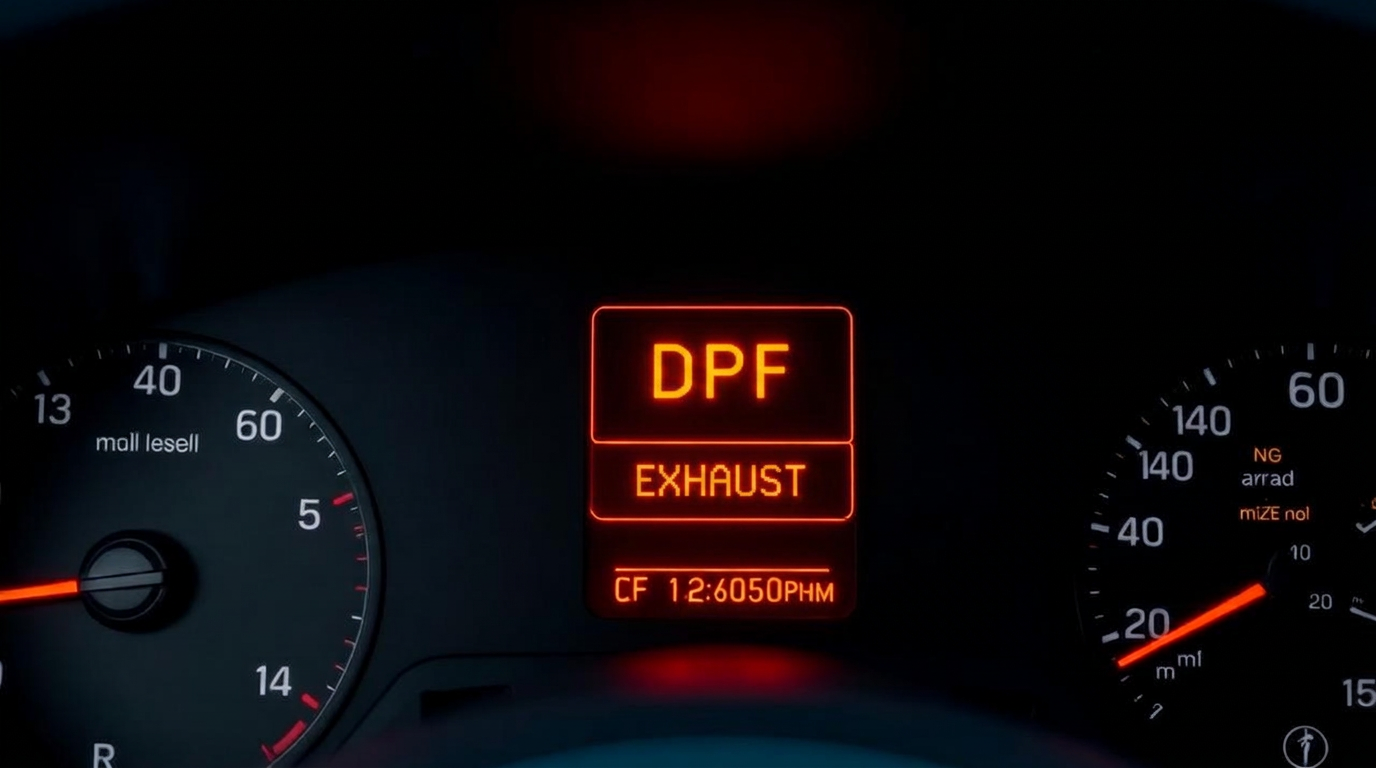
The amber coil-shaped symbol on a diesel dashboard is one of the most misunderstood warnings in motoring. Many drivers treat it as a demand to stop immediately; others ignore it entirely until the car goes into limp mode. Neither response is right. The particulate filter light usually means the filter has accumulated more soot than the vehicle can clear in its current use pattern, and it is an invitation to drive in a specific way rather than an emergency. But when it appears alongside the engine management light, the glow plug light or a flashing indicator, the message changes completely. This article explains each combination, what the vehicle is trying to tell you, and exactly what to do in the first hour after the light appears.
#5Buying Guide7 min read
The Diesel Vehicles Most Affected by DPF Problems
Every diesel with a particulate filter can block, but some models are far more prone to it than others, either because of the driving they typically do, a known hardware weakness, or an engine design that produces more soot than average. Owners of small European diesels used for short urban journeys report problems earliest. Pickups and large SUVs used for towing suffer a different pattern of heat-related damage. Vans that idle all day in delivery work sit somewhere in between. This article surveys the makes and engine families that generate the most filter complaints worldwide, explains the specific weakness behind each, and sets out what a current or prospective owner of one of these vehicles should do differently.
#6Maintenance6 min read
Ash Versus Soot: The Difference That Decides Your Repair Bill
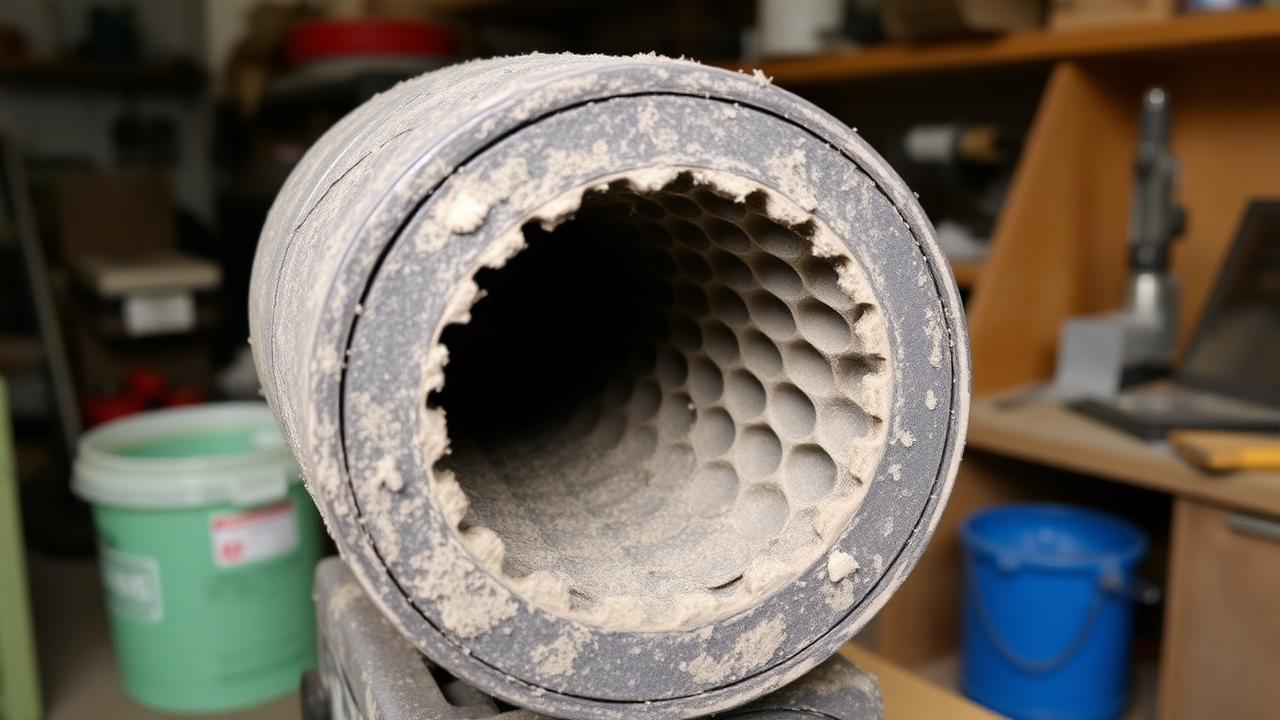
Two substances collect inside a diesel particulate filter and they behave in completely opposite ways. Soot is carbon, it burns, and every regeneration removes it. Ash is the mineral residue left by engine oil additives, fuel contaminants and normal engine wear, it does not burn at any temperature the engine can safely produce, and it accumulates permanently for the life of the filter. Almost every argument between an owner and a workshop about whether a filter can be saved comes down to which of the two is causing the blockage. Soot problems are fixed by driving, forced regeneration or a bottle of additive. Ash problems are fixed only by physical cleaning or replacement. This article explains how to tell them apart and how to slow ash loading down.
#7Maintenance6 min read
Short Journeys and City Driving: The Real DPF Killer
If there is one factor that predicts diesel particulate filter failure better than mileage, model or age, it is journey length. A filter needs sustained heat to clear itself, and a car that never runs long enough to reach that heat accumulates soot indefinitely. Millions of diesels are bought by drivers whose actual use is a few miles to work, a school run and a weekend shop, which is the worst possible pattern for the technology under the bonnet. The good news is that this is the one cause of filter trouble an owner can fix for free. This article explains exactly what happens on a short trip, why cold starts are so costly, how the pattern damages engine oil as well as the filter, and what a corrective driving routine looks like in practice.
#8Emissions Law7 min read
DPF Removal Laws, MOT Rules and Emissions Testing Worldwide
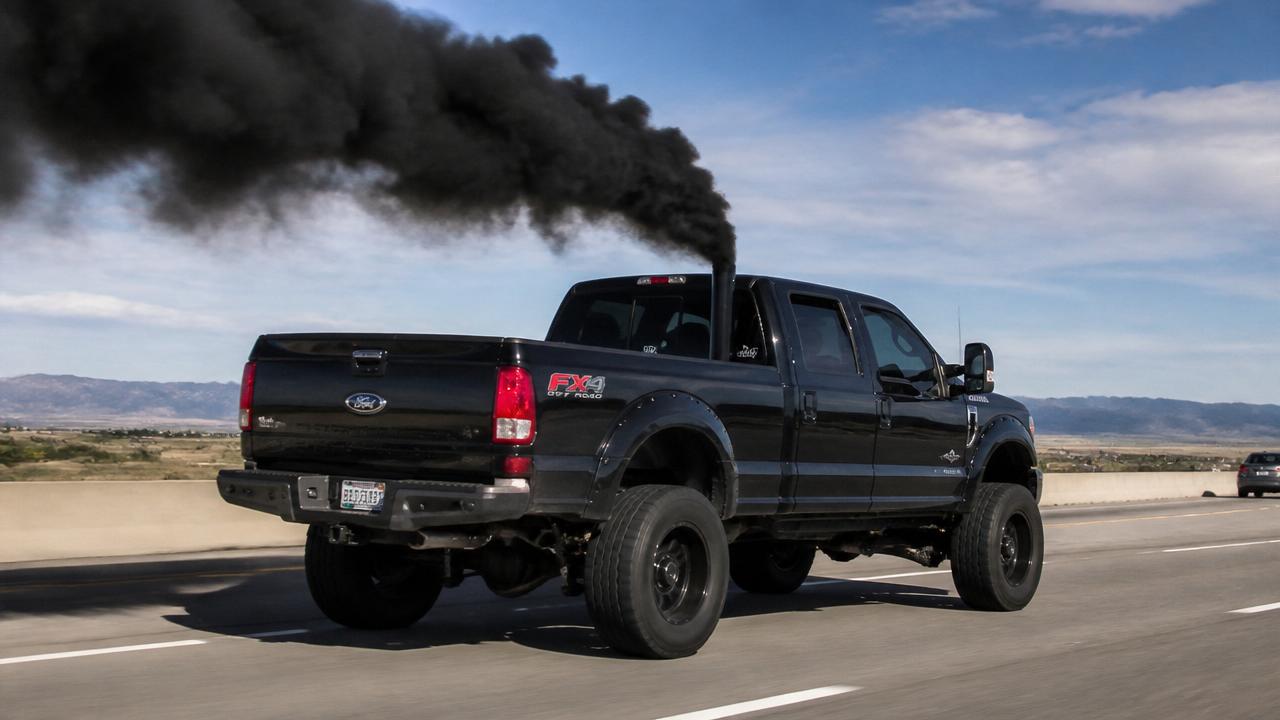
Removing a diesel particulate filter and switching it off in software is still widely advertised as a permanent fix, but it is illegal for road vehicles in every major market and enforcement has tightened sharply. In the UK an MOT tester who sees a missing filter must fail the vehicle outright. Across the EU periodic technical inspection now includes particle-number counting in a growing list of countries, which detects a deleted filter even when the casing is still fitted. In the United States federal law prohibits tampering with emissions equipment and penalties run into serious money for installers. Australia applies its own in-service emissions rules. This article sets out the legal position by region, explains how testing detects deletion, and covers the insurance and resale consequences owners rarely hear about.
#9Maintenance7 min read
Professional DPF Cleaning Methods Compared: Pneumatic, Aqueous, Thermal and On-Car
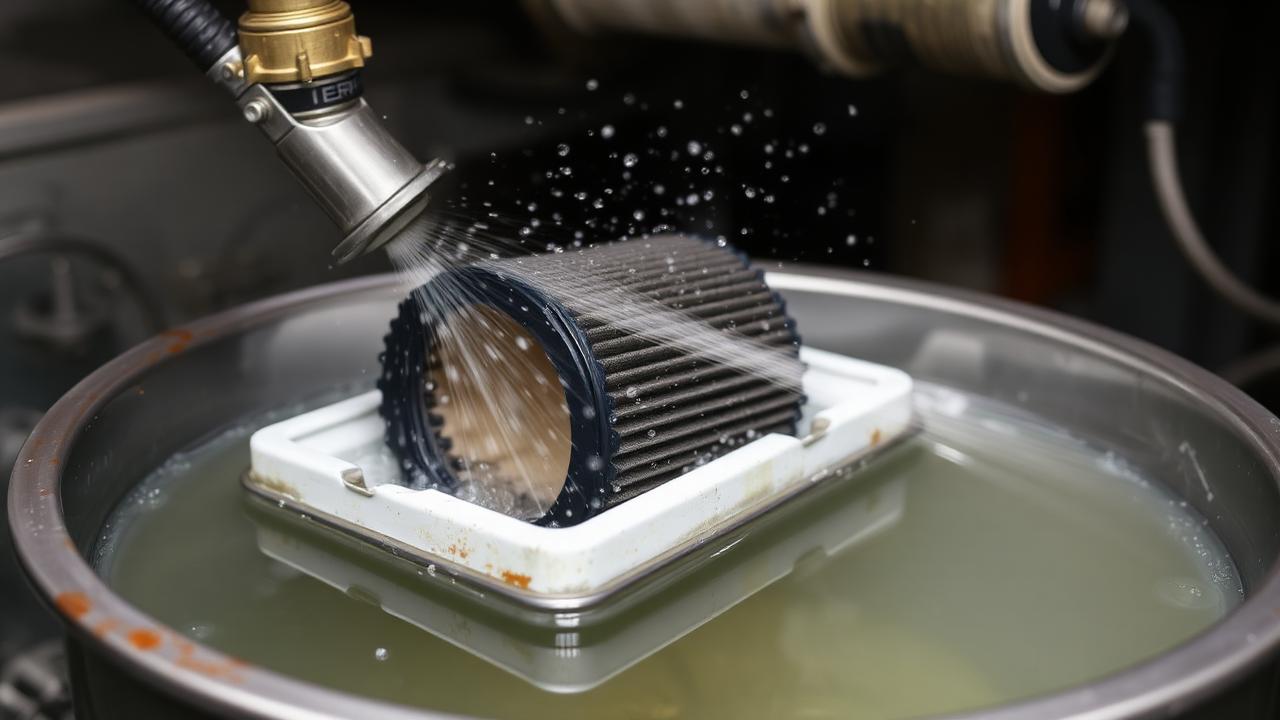
When driving and forced regeneration are not enough, professional cleaning is the step that saves most filters from replacement, and it costs a fraction of a new unit. But cleaning is not one process. Pneumatic pulse systems blast compressed air through the channels in alternating directions. Aqueous machines flush the substrate with heated detergent solution and then dry it. Thermal ovens bake off remaining carbon under controlled temperature. On-car chemical cleaning injects fluid through a sensor port without removing anything. Each method has a different cost, a different success rate and a different risk profile for older or fragile substrates. This article compares them honestly, explains what documentation a good specialist provides, and helps you judge which service a particular filter actually needs.
#10Diagnostics6 min read
DPF Sensors and False Warnings: When the Filter Is Not the Problem
A significant share of diesel particulate filter warnings come from vehicles whose filters are in perfectly serviceable condition. The engine management system cannot see inside the filter; it infers loading from a differential pressure sensor, a set of exhaust gas temperature sensors and a software soot model. When any of those inputs drift, split, corrode or clog, the vehicle draws the wrong conclusion and warns the driver about a problem that does not exist, or worse, blocks regeneration and creates a real one. Owners are then quoted for cleaning or replacement they never needed. This article explains how each sensor works, the specific failure modes to look for, and the live-data checks that separate a genuine blockage from a bad reading before any money changes hands.
#11Technology7 min read
Fuel-Borne Catalyst Systems: How Eolys and Additive Tanks Help the DPF Regenerate
Many Peugeot, Citroën, Ford and Volvo diesels built in the 2000s and early 2010s do not rely on the filter's washcoat alone to trigger regeneration. Instead they carry a small additive tank, usually mounted near the fuel tank, that injects a cerium- or iron-based fuel-borne catalyst (commonly branded Eolys or Infineum) into the fuel every time you fill up. This additive lowers the soot ignition temperature so regeneration can start hundreds of degrees cooler than an uncoated filter would need. It is a clever piece of engineering, but it introduces its own failure mode: the tank runs dry, usually around 120,000 miles, and the car will refuse further regeneration until it is refilled. This article explains how the system works, which vehicles use it, what happens when it empties, and roughly what a refill or replacement costs.
#12Maintenance6 min read
Bottled DPF Cleaning Additives: What They Can and Cannot Fix
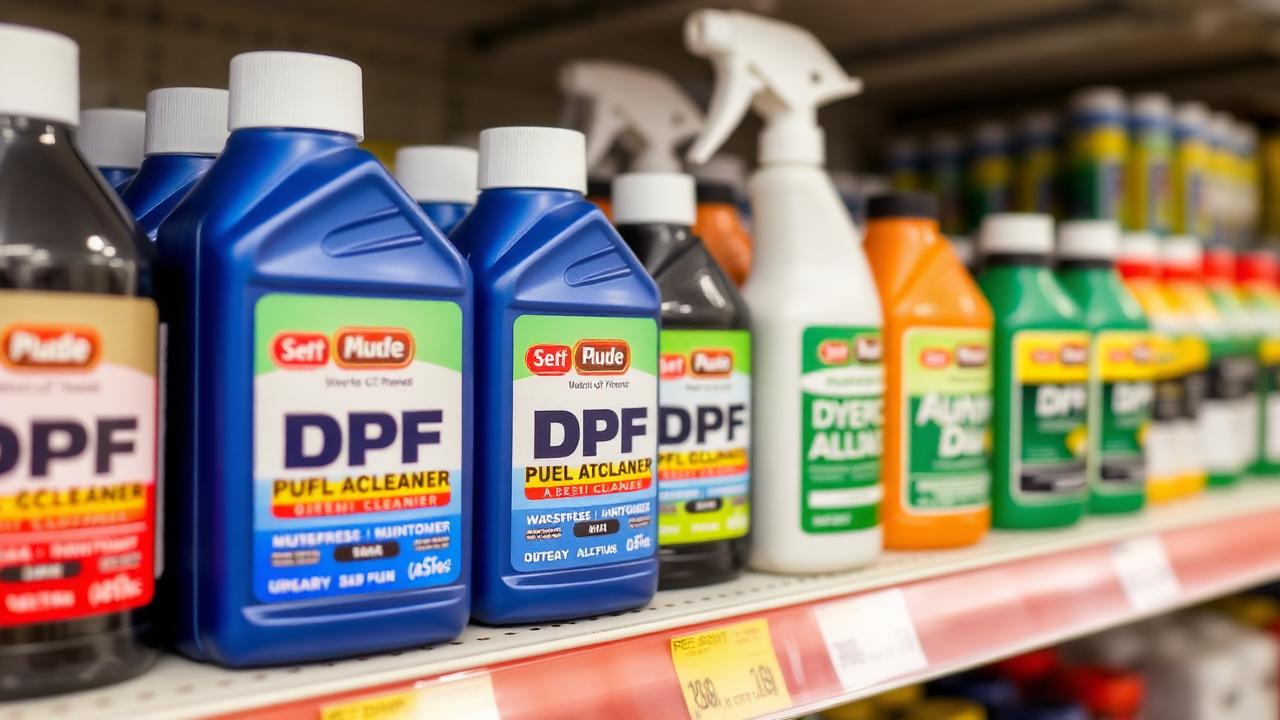
Auto parts shelves are full of bottled diesel particulate filter cleaners promising to dissolve blockages and cancel warning lights for the price of a tank of fuel. Some of these products, generally the catalyst- or cerium-based ones from established additive manufacturers, can genuinely help a mildly loaded filter regenerate more easily by lowering the soot ignition temperature during a completed motorway run. Others are little more than detergent blends with limited effect on hardened ash or a filter that is already physically cracked or melted. This article separates what a bottled additive can realistically achieve from what it cannot, explains when a forced regeneration or professional clean is the only real option, and gives an honest view on when reaching for a bottle is worth trying before booking a garage visit.
#13Diagnostics7 min read
Reading DPF Live Data With a Cheap OBD-II Scanner: Soot Load, Pressure and Temperature
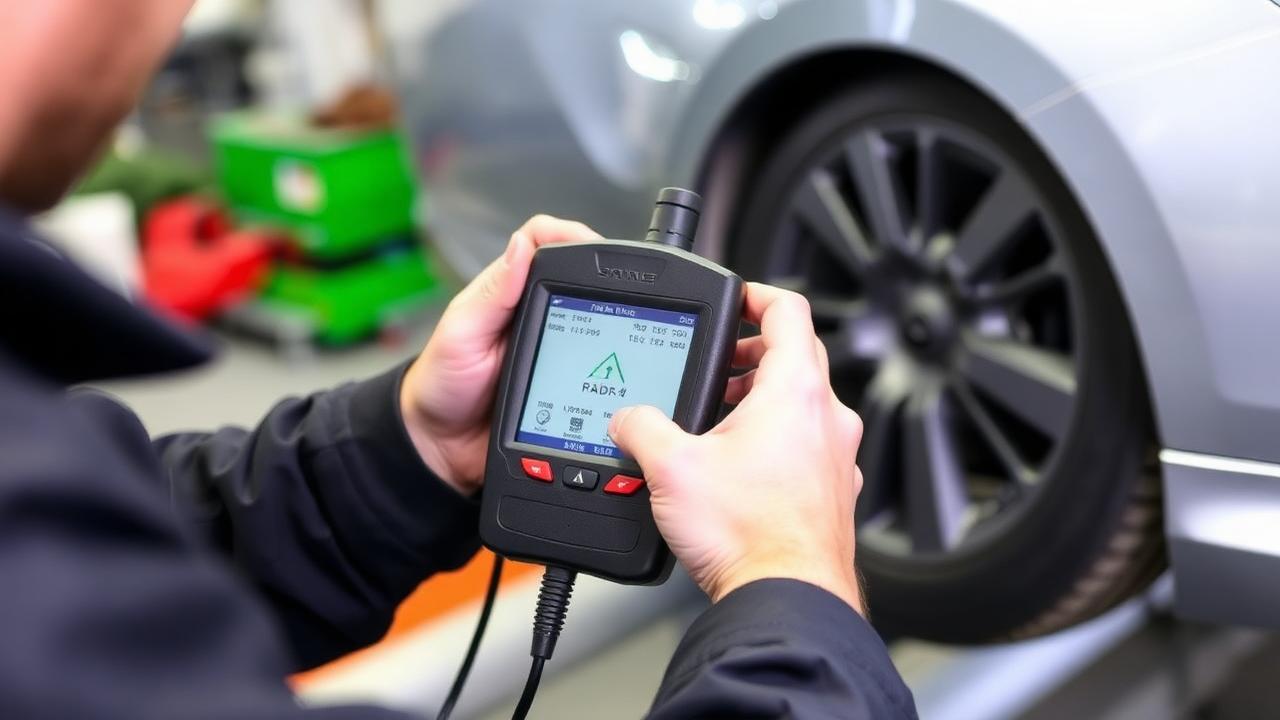
A basic Bluetooth OBD-II adapter paired with a free or low-cost phone app can show far more about the health of your diesel particulate filter than the simple warning light on the dashboard ever will. Live parameters such as estimated soot mass, differential pressure across the filter, and exhaust gas temperature at key sensor locations let an attentive owner spot a filter heading toward trouble weeks before it forces a limp-mode drive home. This is not a replacement for proper dealer-level diagnostic software, which can read manufacturer-specific parameters and command regenerations, but generic OBD-II data is enough to understand roughly where a filter stands and whether a motorway run is likely to help. This article explains which parameters matter, roughly what healthy ranges look like, and the limits of what a budget scanner can tell you.
#14Emissions Law7 min read
Diesel in the City: Low-Emission Zones, Congestion Charges and What They Mean for DPF Owners
Cities across Europe, and increasingly elsewhere, now restrict or charge older diesel vehicles based on their emissions standard, typically Euro 4, 5 or 6, and a functioning, correctly certified particulate filter is central to qualifying for the cleaner bands. London's Ultra Low Emission Zone, Germany's Umweltzone system, France's Crit'Air stickers and similar schemes in Italy, Spain and elsewhere each set their own thresholds and enforcement methods, and rules can and do change with little notice. A removed or defeated DPF does not just risk an MOT or roadworthy inspection failure; in many of these zones it can mean daily charges, fines, or being turned away from the area altogether, since enforcement increasingly relies on cameras reading number plates against a vehicle emissions database rather than physical checks. This article outlines how these schemes generally work and what they mean practically for diesel owners.
#15Emissions Law6 min read
The Environmental Case for Keeping Your DPF Healthy
A correctly functioning diesel particulate filter removes the large majority of fine soot particles from exhaust gas before they reach the atmosphere, and this matters well beyond passing an inspection. Fine particulate matter, particularly the PM2.5 fraction small enough to penetrate deep into lungs and the bloodstream, is linked by public health research bodies to respiratory and cardiovascular harm, and diesel exhaust has historically been a significant urban source. A DPF removed, damaged or badly neglected does not just risk fines; it measurably increases the amount of harmful particulate a vehicle emits, disproportionately affecting people in dense urban areas where diesel traffic is heaviest. This article looks at what the filter actually removes, how big the difference is between a healthy and a defeated filter, and why this is a genuine public health issue rather than just a compliance box to tick.
#16Costs8 min read
Total Cost of Ownership: Diesel vs Petrol vs Hybrid for High-Mileage Drivers
For drivers covering serious annual mileage, the choice between diesel, petrol and hybrid is rarely as simple as headline fuel economy suggests. Diesel's efficiency advantage is real at motorway speed but comes bundled with particulate filter maintenance risk that petrol and hybrid owners simply do not face. Hybrids avoid DPF concerns entirely but carry different long-term costs around battery health and, on some models, a purchase price premium that takes years of driving to recoup. This article works through a realistic total cost of ownership comparison across fuel, maintenance, depreciation and the DPF-specific risk that diesel owners uniquely carry, aimed at helping high-mileage drivers, particularly those doing motorway-heavy commuting versus short urban trips, decide which powertrain actually costs less over five to ten years of real ownership.
#17Global8 min read
DPF Problems by Region: Europe, UK, North America, Australia, Africa and South-East Asia
Diesel particulate filter problems are not evenly distributed around the world; they depend heavily on how long diesel has been a mainstream passenger-car choice in a given market, what fuel quality and enforcement regimes exist locally, and how urban driving patterns interact with the technology. Europe and the UK, where diesel passenger cars have been common since the early 2000s, have the largest population of ageing filters and the most mature (and strict) tampering enforcement through MOT-style testing. North America and Australia have smaller diesel passenger car fleets but growing truck and SUV diesel populations with their own regional pressures. Fuel quality variation across Africa and parts of South-East Asia introduces additional risk that has little to do with driving style. This article surveys the regional picture at a high level, with the caveat that rules and conditions vary by country and continue to change.
#18Maintenance7 min read
Fuel Quality, Sulphur Content and Low-SAPS Engine Oil: Their Effect on DPF Life
Two factors that rarely get discussed alongside driving habits have a substantial effect on how long a diesel particulate filter lasts: the sulphur content of the fuel being burned, and whether the engine oil used meets a low-SAPS (Sulphated Ash, Phosphorus and Sulphur) specification. Using the wrong oil, particularly an older or heavy-duty formulation not designed for filter-equipped engines, accelerates the build-up of incombustible ash inside the filter regardless of how well the car is driven. Similarly, high-sulphur fuel, still found in some markets, degrades catalyst efficiency and can shorten a filter's working life. This article explains both mechanisms in plain terms and what to check before your next oil change or fill-up.
#19Buying Guide8 min read
Buying a Used Diesel: A Full DPF Inspection Checklist Before You Pay
A used diesel with a compromised particulate filter can turn into an unexpectedly expensive purchase within months, so it pays to check the filter and its related systems thoroughly before handing over money, not after. Unlike an engine rattle or a worn clutch, DPF problems can be deliberately or accidentally hidden by a seller: a warning light cleared just before viewing, a filter recently forced into regeneration to mask soot loading, or worse, a filter that has already been removed and the software modified to hide it. This checklist walks through what to look at, listen for, ask about and, where possible, verify with diagnostic equipment before committing to buy any used diesel.
#20Maintenance7 min read
DPF Maintenance Schedule: The Habits That Make a Filter Last 200,000 Miles
Some diesel particulate filters fail well before 100,000 miles while others, on cars driven and maintained thoughtfully, run trouble-free past 200,000 miles on the original unit. The difference is rarely luck; it comes down to a handful of consistent habits around driving pattern, oil specification, fuel quality and prompt response to warning signs. None of these habits are expensive or technically demanding, but they require a small amount of ongoing attention that many owners simply never learn about until something has already gone wrong. This article lays out a practical, realistic maintenance schedule combining routine service intervals with driving habits, aimed at genuinely extending filter life rather than just reacting to warning lights as they appear.