P2002Serious
Diesel Particulate Filter Efficiency Below Threshold (Bank 1)
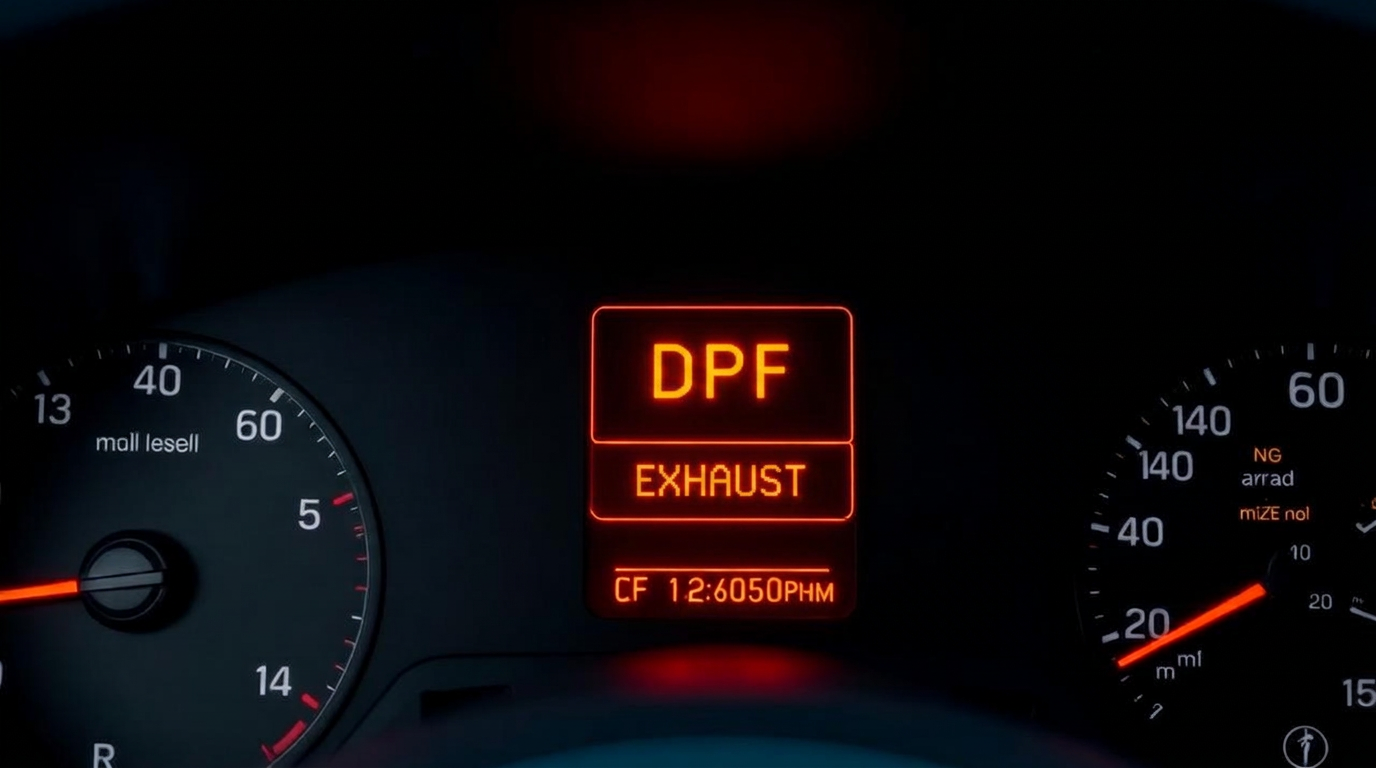
Code P2002 (Diesel Particulate Filter Efficiency Below Threshold (Bank 1)) is stored when the engine control module calculates that soot regeneration efficiency across the DPF has dropped below the calibrated limit, usually because the filter is not clearing soot during regeneration cycles as fast as it is loading up. It relates to the differential pressure sensor on the vehicle's diesel emissions control system. Drivers typically notice a dashboard warning light (engine management light and/or a DPF-specific warning), a possible drop in power or a limp-home mode on more serious variants, higher than usual fuel consumption, and sometimes a burning or hot-exhaust smell during or after failed regeneration attempts. The code can be triggered by a genuine mechanical fault, an electrical/wiring problem, or simply by a driving pattern (frequent short trips, low motorway mileage) that never lets the aftertreatment system do its job properly, so proper diagnosis before parts-swapping is essential.
Commonly seen on: VW/Audi 2.0 TDI EA189/EA288, Ford 2.0 EcoBlue / TDCi, Peugeot-Citroen 1.6/2.0 BlueHDi, BMW N47/B47, Vauxhall/Opel 1.6/2.0 CDTi, Hyundai/Kia 1.6/2.0 CRDi
P2003Serious
Diesel Particulate Filter Efficiency Below Threshold (Bank 2)
Code P2003 (Diesel Particulate Filter Efficiency Below Threshold (Bank 2)) is stored when the same efficiency-below-threshold logic as P2002 but applied to the second exhaust bank on V-configuration diesel engines with two DPFs or a dual-bank exhaust. It relates to the differential pressure sensor on the vehicle's diesel emissions control system. Drivers typically notice a dashboard warning light (engine management light and/or a DPF-specific warning), a possible drop in power or a limp-home mode on more serious variants, higher than usual fuel consumption, and sometimes a burning or hot-exhaust smell during or after failed regeneration attempts. The code can be triggered by a genuine mechanical fault, an electrical/wiring problem, or simply by a driving pattern (frequent short trips, low motorway mileage) that never lets the aftertreatment system do its job properly, so proper diagnosis before parts-swapping is essential.
Commonly seen on: Ram 3.0 EcoDiesel, Mercedes OM642 V6, VW/Audi 3.0 TDI V6, Ford 6.7 Power Stroke, BMW dual-bank diesel V8, Land Rover 3.0 SDV6
P2452Warning
Diesel Particulate Filter Pressure Sensor Circuit Range/Performance
Code P2452 (Diesel Particulate Filter Pressure Sensor Circuit Range/Performance) is stored when the readings from the DPF differential pressure sensor do not correlate correctly with expected exhaust backpressure at given engine loads, engine speeds and DPF soot loads. It relates to the differential pressure sensor on the vehicle's diesel emissions control system. Drivers typically notice a dashboard warning light (engine management light and/or a DPF-specific warning), a possible drop in power or a limp-home mode on more serious variants, higher than usual fuel consumption, and sometimes a burning or hot-exhaust smell during or after failed regeneration attempts. The code can be triggered by a genuine mechanical fault, an electrical/wiring problem, or simply by a driving pattern (frequent short trips, low motorway mileage) that never lets the aftertreatment system do its job properly, so proper diagnosis before parts-swapping is essential.
Commonly seen on: Ford 2.0 TDCi/EcoBlue, VW/Audi 2.0 TDI, Peugeot-Citroen 2.0 BlueHDi, Vauxhall/Opel 2.0 CDTi, Renault 1.6/2.0 dCi, Nissan YD25 Navara
P2453Warning
Diesel Particulate Filter Pressure Sensor Circuit
Code P2453 (Diesel Particulate Filter Pressure Sensor Circuit) is stored when a general electrical circuit fault, such as a short or intermittent open, is detected in the wiring or connector of the DPF differential pressure sensor circuit itself, separate from the plausibility fault covered by P2452. It relates to the differential pressure sensor on the vehicle's diesel emissions control system. Drivers typically notice a dashboard warning light (engine management light and/or a DPF-specific warning), a possible drop in power or a limp-home mode on more serious variants, higher than usual fuel consumption, and sometimes a burning or hot-exhaust smell during or after failed regeneration attempts. The code can be triggered by a genuine mechanical fault, an electrical/wiring problem, or simply by a driving pattern (frequent short trips, low motorway mileage) that never lets the aftertreatment system do its job properly, so proper diagnosis before parts-swapping is essential.
Commonly seen on: VW/Audi 2.0 TDI EA288, Ford 2.0 EcoBlue, Mazda 2.2 SkyActiv-D, Peugeot-Citroen BlueHDi, Jaguar Land Rover Ingenium diesel, Hyundai/Kia CRDi
P2454Warning
Diesel Particulate Filter Pressure Sensor Circuit Low
Code P2454 (Diesel Particulate Filter Pressure Sensor Circuit Low) is stored when the voltage signal returned from the DPF pressure sensor is persistently lower than the expected minimum, usually pointing to a short to ground, a disconnected sensor plug, or a blocked reference pressure pipe. It relates to the differential pressure sensor on the vehicle's diesel emissions control system. Drivers typically notice a dashboard warning light (engine management light and/or a DPF-specific warning), a possible drop in power or a limp-home mode on more serious variants, higher than usual fuel consumption, and sometimes a burning or hot-exhaust smell during or after failed regeneration attempts. The code can be triggered by a genuine mechanical fault, an electrical/wiring problem, or simply by a driving pattern (frequent short trips, low motorway mileage) that never lets the aftertreatment system do its job properly, so proper diagnosis before parts-swapping is essential.
Commonly seen on: Ford 2.0 TDCi, VW 2.0 TDI, Vauxhall/Opel 1.6 CDTi, Renault 1.6 dCi, Nissan YD25, Peugeot-Citroen 1.6 BlueHDi
P2455Warning
Diesel Particulate Filter Pressure Sensor Circuit High
Code P2455 (Diesel Particulate Filter Pressure Sensor Circuit High) is stored when the voltage signal from the DPF pressure sensor is persistently higher than the expected maximum, commonly caused by a short to voltage in the harness, a failed sensor, or a split/blocked pressure hose. It relates to the differential pressure sensor on the vehicle's diesel emissions control system. Drivers typically notice a dashboard warning light (engine management light and/or a DPF-specific warning), a possible drop in power or a limp-home mode on more serious variants, higher than usual fuel consumption, and sometimes a burning or hot-exhaust smell during or after failed regeneration attempts. The code can be triggered by a genuine mechanical fault, an electrical/wiring problem, or simply by a driving pattern (frequent short trips, low motorway mileage) that never lets the aftertreatment system do its job properly, so proper diagnosis before parts-swapping is essential.
Commonly seen on: Ford 2.0 TDCi, VW 2.0 TDI, Vauxhall/Opel 1.6 CDTi, Renault 1.6/2.0 dCi, Nissan YD25, BMW N47
P2458Serious
Diesel Particulate Filter Regeneration Time/Incomplete Regeneration
Code P2458 (Diesel Particulate Filter Regeneration Time/Incomplete Regeneration) is stored when a regeneration cycle was started by the ECM but did not run for long enough, or was interrupted repeatedly (usually by short-trip driving), so the soot load was not reduced by the expected amount within the expected time. It relates to the soot load model / exhaust temperature sensors on the vehicle's diesel emissions control system. Drivers typically notice a dashboard warning light (engine management light and/or a DPF-specific warning), a possible drop in power or a limp-home mode on more serious variants, higher than usual fuel consumption, and sometimes a burning or hot-exhaust smell during or after failed regeneration attempts. The code can be triggered by a genuine mechanical fault, an electrical/wiring problem, or simply by a driving pattern (frequent short trips, low motorway mileage) that never lets the aftertreatment system do its job properly, so proper diagnosis before parts-swapping is essential.
Commonly seen on: VW/Audi 2.0 TDI, Ford 2.0 EcoBlue, Peugeot-Citroen BlueHDi, Vauxhall/Opel CDTi, Mazda 2.2 SkyActiv-D, Toyota 1KD-FTV/1GD-FTV
P2459Serious
Diesel Particulate Filter Regeneration Frequency
Code P2459 (Diesel Particulate Filter Regeneration Frequency) is stored when the ECM has commanded active regeneration far more often than the calibrated normal interval, which points to an underlying cause forcing the filter to soot up abnormally quickly rather than a sensor fault itself. It relates to the soot load model / fuel dilution monitor on the vehicle's diesel emissions control system. Drivers typically notice a dashboard warning light (engine management light and/or a DPF-specific warning), a possible drop in power or a limp-home mode on more serious variants, higher than usual fuel consumption, and sometimes a burning or hot-exhaust smell during or after failed regeneration attempts. The code can be triggered by a genuine mechanical fault, an electrical/wiring problem, or simply by a driving pattern (frequent short trips, low motorway mileage) that never lets the aftertreatment system do its job properly, so proper diagnosis before parts-swapping is essential.
Commonly seen on: Ford 2.0 EcoBlue/TDCi, VW/Audi 2.0 TDI, Peugeot-Citroen BlueHDi, Vauxhall/Opel CDTi, Fiat/Iveco 2.0/3.0 MultiJet, Jeep/Ram 3.0 EcoDiesel
P2463Critical
Diesel Particulate Filter Restriction - Soot Accumulation
Code P2463 (Diesel Particulate Filter Restriction - Soot Accumulation) is stored when calculated soot mass in the DPF, or the measured pressure differential across it, has exceeded the maximum safe restriction limit, meaning the filter is now dangerously full and exhaust flow is significantly obstructed. It relates to the differential pressure sensor / soot load model on the vehicle's diesel emissions control system. Drivers typically notice a dashboard warning light (engine management light and/or a DPF-specific warning), a possible drop in power or a limp-home mode on more serious variants, higher than usual fuel consumption, and sometimes a burning or hot-exhaust smell during or after failed regeneration attempts. The code can be triggered by a genuine mechanical fault, an electrical/wiring problem, or simply by a driving pattern (frequent short trips, low motorway mileage) that never lets the aftertreatment system do its job properly, so proper diagnosis before parts-swapping is essential.
Commonly seen on: VW/Audi 2.0 TDI, Ford 2.0 EcoBlue/TDCi, BMW N47/B47, Mercedes OM651, Peugeot-Citroen BlueHDi, Toyota 1KD-FTV Hilux
P242FSerious
Diesel Particulate Filter Ash Accumulation
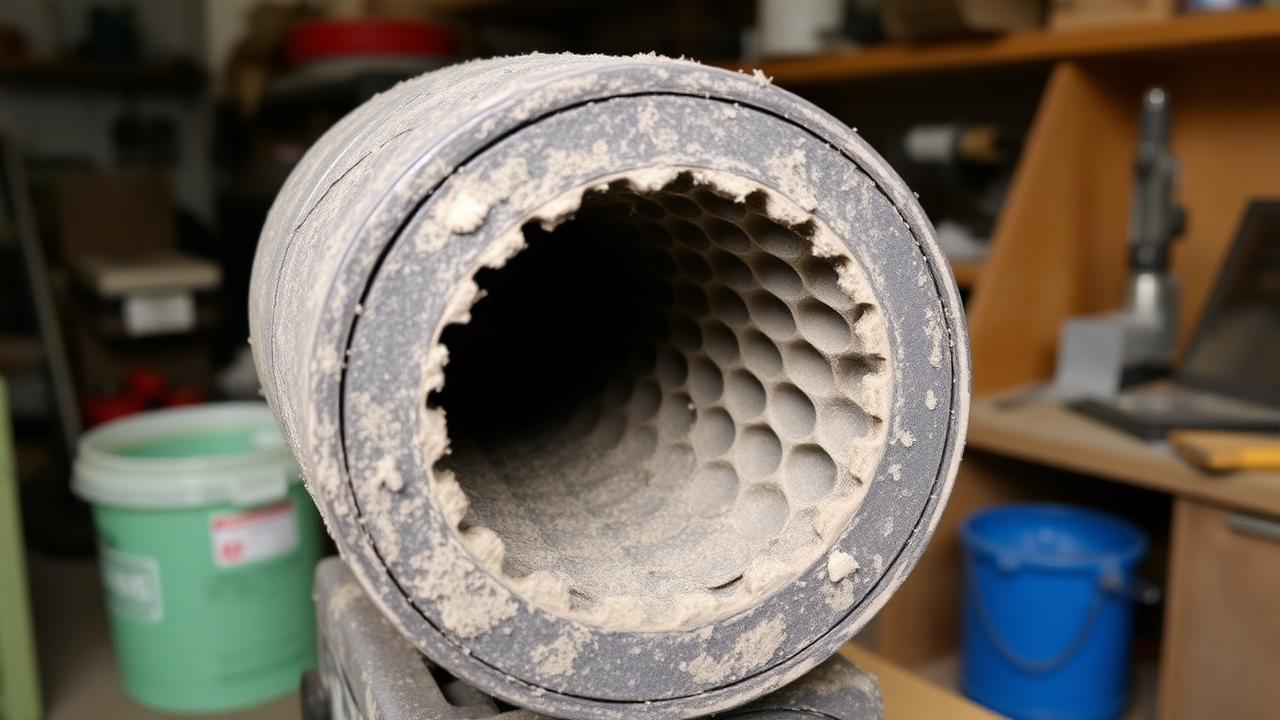
Code P242F (Diesel Particulate Filter Ash Accumulation) is stored when the ECM's mileage- and regeneration-count-based model estimates that incombustible ash (from engine oil additives and normal wear metals) has built up in the substrate to the point where even a full regeneration cannot restore normal flow. It relates to the soot/ash load model (mileage and regeneration-count based) on the vehicle's diesel emissions control system. Drivers typically notice a dashboard warning light (engine management light and/or a DPF-specific warning), a possible drop in power or a limp-home mode on more serious variants, higher than usual fuel consumption, and sometimes a burning or hot-exhaust smell during or after failed regeneration attempts. The code can be triggered by a genuine mechanical fault, an electrical/wiring problem, or simply by a driving pattern (frequent short trips, low motorway mileage) that never lets the aftertreatment system do its job properly, so proper diagnosis before parts-swapping is essential.
Commonly seen on: VW/Audi 2.0 TDI, Ford 2.0 EcoBlue, BMW N47/B47, Mercedes OM651, Vauxhall/Opel 2.0 CDTi, Mazda 2.2 SkyActiv-D
P244AWarning
Diesel Particulate Filter Differential Pressure Too Low
Code P244A (Diesel Particulate Filter Differential Pressure Too Low) is stored when the measured pressure drop across the DPF is lower than expected for the current exhaust flow rate, which can indicate a cracked, melted or missing substrate as much as a sensor or pipework fault. It relates to the differential pressure sensor on the vehicle's diesel emissions control system. Drivers typically notice a dashboard warning light (engine management light and/or a DPF-specific warning), a possible drop in power or a limp-home mode on more serious variants, higher than usual fuel consumption, and sometimes a burning or hot-exhaust smell during or after failed regeneration attempts. The code can be triggered by a genuine mechanical fault, an electrical/wiring problem, or simply by a driving pattern (frequent short trips, low motorway mileage) that never lets the aftertreatment system do its job properly, so proper diagnosis before parts-swapping is essential.
Commonly seen on: Ford 2.0 EcoBlue, VW/Audi 2.0 TDI, Peugeot-Citroen BlueHDi, Vauxhall/Opel CDTi, Renault 1.6/2.0 dCi, Nissan YD25
P244BSerious
Diesel Particulate Filter Differential Pressure Too High
Code P244B (Diesel Particulate Filter Differential Pressure Too High) is stored when the measured pressure drop across the DPF is higher than the model expects for the current exhaust flow, pointing to a genuinely restricted filter, a collapsed internal baffle, or a pinched/kinked sample pipe giving a false high reading. It relates to the differential pressure sensor on the vehicle's diesel emissions control system. Drivers typically notice a dashboard warning light (engine management light and/or a DPF-specific warning), a possible drop in power or a limp-home mode on more serious variants, higher than usual fuel consumption, and sometimes a burning or hot-exhaust smell during or after failed regeneration attempts. The code can be triggered by a genuine mechanical fault, an electrical/wiring problem, or simply by a driving pattern (frequent short trips, low motorway mileage) that never lets the aftertreatment system do its job properly, so proper diagnosis before parts-swapping is essential.
Commonly seen on: Ford 2.0 EcoBlue, VW/Audi 2.0 TDI, Peugeot-Citroen BlueHDi, Vauxhall/Opel CDTi, Mazda 2.2 SkyActiv-D, BMW N47/B47
P246CWarning
Diesel Particulate Filter Restriction - Sensor Circuit High Pressure
Code P246C (Diesel Particulate Filter Restriction - Sensor Circuit High Pressure) is stored when the pressure sensor circuit itself is reporting an implausibly high pressure reading that exceeds the physical range the sensor and pipework should ever see, most often from a blocked, kinked, or swapped pressure sample line. It relates to the differential pressure sensor on the vehicle's diesel emissions control system. Drivers typically notice a dashboard warning light (engine management light and/or a DPF-specific warning), a possible drop in power or a limp-home mode on more serious variants, higher than usual fuel consumption, and sometimes a burning or hot-exhaust smell during or after failed regeneration attempts. The code can be triggered by a genuine mechanical fault, an electrical/wiring problem, or simply by a driving pattern (frequent short trips, low motorway mileage) that never lets the aftertreatment system do its job properly, so proper diagnosis before parts-swapping is essential.
Commonly seen on: Ford 2.0 EcoBlue/TDCi, Peugeot-Citroen BlueHDi, Vauxhall/Opel CDTi, Renault dCi, Fiat MultiJet, Nissan YD25
P0401Warning
Exhaust Gas Recirculation Flow Insufficient Detected
Code P0401 (Exhaust Gas Recirculation Flow Insufficient Detected) is stored when the ECM detects that less exhaust gas is being recirculated into the intake than the current operating conditions demand, almost always because carbon build-up has partially seized the EGR valve or clogged the EGR cooler and passages. It relates to the EGR position sensor / MAP sensor / exhaust temperature sensor on the vehicle's diesel emissions control system. Drivers typically notice a dashboard warning light (engine management light and/or a DPF-specific warning), a possible drop in power or a limp-home mode on more serious variants, higher than usual fuel consumption, and sometimes a burning or hot-exhaust smell during or after failed regeneration attempts. The code can be triggered by a genuine mechanical fault, an electrical/wiring problem, or simply by a driving pattern (frequent short trips, low motorway mileage) that never lets the aftertreatment system do its job properly, so proper diagnosis before parts-swapping is essential.
Commonly seen on: VW/Audi 2.0 TDI, Ford 2.0 TDCi/EcoBlue, BMW N47/B47, Mercedes OM651, Toyota 1KD-FTV/2KD-FTV, Vauxhall/Opel CDTi
P0402Warning
Exhaust Gas Recirculation Flow Excessive Detected
Code P0402 (Exhaust Gas Recirculation Flow Excessive Detected) is stored when more exhaust gas is being recirculated than commanded, typically because the EGR valve pintle is stuck partially open or the valve is not closing fully due to carbon deposits or a failed actuator. It relates to the EGR position sensor / MAP sensor on the vehicle's diesel emissions control system. Drivers typically notice a dashboard warning light (engine management light and/or a DPF-specific warning), a possible drop in power or a limp-home mode on more serious variants, higher than usual fuel consumption, and sometimes a burning or hot-exhaust smell during or after failed regeneration attempts. The code can be triggered by a genuine mechanical fault, an electrical/wiring problem, or simply by a driving pattern (frequent short trips, low motorway mileage) that never lets the aftertreatment system do its job properly, so proper diagnosis before parts-swapping is essential.
Commonly seen on: VW/Audi 2.0 TDI, Ford 2.0 TDCi, BMW N47, Mercedes OM651, Vauxhall/Opel CDTi, Renault 1.6/2.0 dCi
P0299Serious
Turbocharger/Supercharger Underboost Condition
Code P0299 (Turbocharger/Supercharger Underboost Condition) is stored when actual measured boost pressure is significantly below the target the ECM has commanded for the given load and speed, which prevents the engine from generating enough exhaust flow and temperature for effective DPF regeneration. It relates to the MAP sensor / boost pressure sensor on the vehicle's diesel emissions control system. Drivers typically notice a dashboard warning light (engine management light and/or a DPF-specific warning), a possible drop in power or a limp-home mode on more serious variants, higher than usual fuel consumption, and sometimes a burning or hot-exhaust smell during or after failed regeneration attempts. The code can be triggered by a genuine mechanical fault, an electrical/wiring problem, or simply by a driving pattern (frequent short trips, low motorway mileage) that never lets the aftertreatment system do its job properly, so proper diagnosis before parts-swapping is essential.
Commonly seen on: Ford 2.0 TDCi/EcoBlue, VW/Audi 2.0 TDI, Peugeot-Citroen 2.0 BlueHDi, BMW N47/B47, Vauxhall/Opel 2.0 CDTi, Renault 2.0 dCi
P0101Warning
Mass Air Flow Circuit Range/Performance Problem
Code P0101 (Mass Air Flow Circuit Range/Performance Problem) is stored when the airflow signal from the MAF sensor is out of the plausible range for current throttle position, boost and engine speed, most commonly caused by a contaminated or oil-fouled sensor element, or an unmetered air leak in the intake. It relates to the mass air flow (MAF) sensor on the vehicle's diesel emissions control system. Drivers typically notice a dashboard warning light (engine management light and/or a DPF-specific warning), a possible drop in power or a limp-home mode on more serious variants, higher than usual fuel consumption, and sometimes a burning or hot-exhaust smell during or after failed regeneration attempts. The code can be triggered by a genuine mechanical fault, an electrical/wiring problem, or simply by a driving pattern (frequent short trips, low motorway mileage) that never lets the aftertreatment system do its job properly, so proper diagnosis before parts-swapping is essential.
Commonly seen on: VW/Audi 2.0 TDI, Ford 2.0 TDCi/EcoBlue, BMW N47/B47, Vauxhall/Opel CDTi, Peugeot-Citroen BlueHDi, Mazda 2.2 SkyActiv-D
P0102Warning
Mass Air Flow Circuit Low Input
Code P0102 (Mass Air Flow Circuit Low Input) is stored when the MAF sensor signal voltage is persistently below the expected minimum, usually from a heavily contaminated sensing element, a wiring fault, or a disconnected connector. It relates to the mass air flow (MAF) sensor on the vehicle's diesel emissions control system. Drivers typically notice a dashboard warning light (engine management light and/or a DPF-specific warning), a possible drop in power or a limp-home mode on more serious variants, higher than usual fuel consumption, and sometimes a burning or hot-exhaust smell during or after failed regeneration attempts. The code can be triggered by a genuine mechanical fault, an electrical/wiring problem, or simply by a driving pattern (frequent short trips, low motorway mileage) that never lets the aftertreatment system do its job properly, so proper diagnosis before parts-swapping is essential.
Commonly seen on: VW/Audi 2.0 TDI, Ford 2.0 TDCi, Vauxhall/Opel CDTi, Renault 1.6/2.0 dCi, Nissan YD25, Peugeot-Citroen BlueHDi
P0104Warning
Mass Air Flow Circuit Intermittent
Code P0104 (Mass Air Flow Circuit Intermittent) is stored when the MAF signal drops out or spikes intermittently, typically due to a loose connector, chafed harness wire, or an intermittently failing sensor element that only misbehaves under vibration or heat. It relates to the mass air flow (MAF) sensor on the vehicle's diesel emissions control system. Drivers typically notice a dashboard warning light (engine management light and/or a DPF-specific warning), a possible drop in power or a limp-home mode on more serious variants, higher than usual fuel consumption, and sometimes a burning or hot-exhaust smell during or after failed regeneration attempts. The code can be triggered by a genuine mechanical fault, an electrical/wiring problem, or simply by a driving pattern (frequent short trips, low motorway mileage) that never lets the aftertreatment system do its job properly, so proper diagnosis before parts-swapping is essential.
Commonly seen on: VW/Audi 2.0 TDI, Ford 2.0 TDCi, BMW N47, Vauxhall/Opel CDTi, Mazda 2.2 SkyActiv-D, Hyundai/Kia CRDi
P0403Warning
Exhaust Gas Recirculation Circuit Malfunction
Code P0403 (Exhaust Gas Recirculation Circuit Malfunction) is stored when an electrical fault (open circuit, short, or out-of-range signal) is detected in the EGR valve's control or position feedback circuit rather than in the mechanical flow itself. It relates to the EGR valve position sensor / EGR solenoid circuit on the vehicle's diesel emissions control system. Drivers typically notice a dashboard warning light (engine management light and/or a DPF-specific warning), a possible drop in power or a limp-home mode on more serious variants, higher than usual fuel consumption, and sometimes a burning or hot-exhaust smell during or after failed regeneration attempts. The code can be triggered by a genuine mechanical fault, an electrical/wiring problem, or simply by a driving pattern (frequent short trips, low motorway mileage) that never lets the aftertreatment system do its job properly, so proper diagnosis before parts-swapping is essential.
Commonly seen on: Ford 2.0 TDCi, VW/Audi 2.0 TDI, Vauxhall/Opel CDTi, Renault dCi, Nissan YD25, Fiat MultiJet
P0471Warning
Exhaust Pressure Sensor Range/Performance
Code P0471 (Exhaust Pressure Sensor Range/Performance) is stored when the exhaust backpressure sensor reading does not match what the ECM expects for the current exhaust flow, often from a carbon-clogged sense line, moisture in the sensor, or a genuinely restricted exhaust. It relates to the exhaust backpressure sensor on the vehicle's diesel emissions control system. Drivers typically notice a dashboard warning light (engine management light and/or a DPF-specific warning), a possible drop in power or a limp-home mode on more serious variants, higher than usual fuel consumption, and sometimes a burning or hot-exhaust smell during or after failed regeneration attempts. The code can be triggered by a genuine mechanical fault, an electrical/wiring problem, or simply by a driving pattern (frequent short trips, low motorway mileage) that never lets the aftertreatment system do its job properly, so proper diagnosis before parts-swapping is essential.
Commonly seen on: Ford 6.7 Power Stroke, Ram 6.7 Cummins, GM 6.6 Duramax, VW/Audi 3.0 TDI V6, Ford 2.0 EcoBlue, Mercedes OM651
P0472Warning
Exhaust Pressure Sensor Low
Code P0472 (Exhaust Pressure Sensor Low) is stored when the exhaust pressure sensor signal is persistently below its expected minimum voltage, most often caused by a disconnected or corroded connector, a cut wire, or a completely failed sensor. It relates to the exhaust backpressure sensor on the vehicle's diesel emissions control system. Drivers typically notice a dashboard warning light (engine management light and/or a DPF-specific warning), a possible drop in power or a limp-home mode on more serious variants, higher than usual fuel consumption, and sometimes a burning or hot-exhaust smell during or after failed regeneration attempts. The code can be triggered by a genuine mechanical fault, an electrical/wiring problem, or simply by a driving pattern (frequent short trips, low motorway mileage) that never lets the aftertreatment system do its job properly, so proper diagnosis before parts-swapping is essential.
Commonly seen on: Ford 6.7 Power Stroke, Ram 6.7 Cummins, GM 6.6 Duramax, Ford 2.0 EcoBlue, VW/Audi 3.0 TDI V6, Mercedes OM642
P20E8Warning
Reductant (DEF/AdBlue) Tank Heater Circuit Malfunction
Code P20E8 (Reductant (DEF/AdBlue) Tank Heater Circuit Malfunction) is stored when an electrical or performance fault is detected in the heating element that keeps AdBlue/DEF from freezing in the tank in cold weather, which can eventually restrict SCR dosing and trigger a driver-visible warning. It relates to the DEF tank heater / temperature sensor on the vehicle's diesel emissions control system. Drivers typically notice a dashboard warning light (engine management light and/or a DPF-specific warning), a possible drop in power or a limp-home mode on more serious variants, higher than usual fuel consumption, and sometimes a burning or hot-exhaust smell during or after failed regeneration attempts. The code can be triggered by a genuine mechanical fault, an electrical/wiring problem, or simply by a driving pattern (frequent short trips, low motorway mileage) that never lets the aftertreatment system do its job properly, so proper diagnosis before parts-swapping is essential.
Commonly seen on: Ram 6.7 Cummins, Ford 6.7 Power Stroke, GM 6.6 Duramax, VW/Audi 2.0/3.0 TDI (SCR), Mercedes OM651/OM642 BlueTEC, Jeep/Ram 3.0 EcoDiesel
P203FSerious
Reductant Quality Performance
Code P203F (Reductant Quality Performance) is stored when the SCR system detects that the AdBlue/DEF being injected is not converting NOx as efficiently as pure 32.5% urea solution should, which almost always means the fluid has been diluted, contaminated, or has degraded from age or heat. It relates to the NOx sensors / SCR catalyst efficiency model on the vehicle's diesel emissions control system. Drivers typically notice a dashboard warning light (engine management light and/or a DPF-specific warning), a possible drop in power or a limp-home mode on more serious variants, higher than usual fuel consumption, and sometimes a burning or hot-exhaust smell during or after failed regeneration attempts. The code can be triggered by a genuine mechanical fault, an electrical/wiring problem, or simply by a driving pattern (frequent short trips, low motorway mileage) that never lets the aftertreatment system do its job properly, so proper diagnosis before parts-swapping is essential.
Commonly seen on: Ram 6.7 Cummins, Ford 6.7 Power Stroke, VW/Audi 2.0 TDI (SCR), Mercedes OM651 BlueTEC, Jeep/Ram 3.0 EcoDiesel, GM 6.6 Duramax
P2201Warning
NOx Sensor Circuit Range/Performance (Bank 1 Sensor 1)
Code P2201 (NOx Sensor Circuit Range/Performance (Bank 1 Sensor 1)) is stored when the upstream NOx sensor is reporting readings that fall outside the range the ECM considers plausible for the current engine operating conditions, which can stem from sensor contamination, a wiring fault, or a genuine engine-out NOx problem. It relates to the NOx sensor on the vehicle's diesel emissions control system. Drivers typically notice a dashboard warning light (engine management light and/or a DPF-specific warning), a possible drop in power or a limp-home mode on more serious variants, higher than usual fuel consumption, and sometimes a burning or hot-exhaust smell during or after failed regeneration attempts. The code can be triggered by a genuine mechanical fault, an electrical/wiring problem, or simply by a driving pattern (frequent short trips, low motorway mileage) that never lets the aftertreatment system do its job properly, so proper diagnosis before parts-swapping is essential.
Commonly seen on: Ram 6.7 Cummins, Ford 6.7 Power Stroke, VW/Audi 2.0 TDI (SCR), Mercedes OM651 BlueTEC, Volvo D-series, GM 6.6 Duramax
P229FWarning
NOx Sensor Correlation Malfunction
Code P229F (NOx Sensor Correlation Malfunction) is stored when the ECM compares the upstream (engine-out) and downstream (tailpipe) NOx sensor readings and finds they do not correlate the way a correctly functioning SCR system should, suggesting either a failing sensor or genuinely poor SCR conversion. It relates to the upstream and downstream NOx sensors on the vehicle's diesel emissions control system. Drivers typically notice a dashboard warning light (engine management light and/or a DPF-specific warning), a possible drop in power or a limp-home mode on more serious variants, higher than usual fuel consumption, and sometimes a burning or hot-exhaust smell during or after failed regeneration attempts. The code can be triggered by a genuine mechanical fault, an electrical/wiring problem, or simply by a driving pattern (frequent short trips, low motorway mileage) that never lets the aftertreatment system do its job properly, so proper diagnosis before parts-swapping is essential.
Commonly seen on: Ram 6.7 Cummins, Ford 6.7 Power Stroke, VW/Audi 2.0 TDI (SCR), Mercedes OM651 BlueTEC, GM 6.6 Duramax, Volvo D-series
P1471Serious
Diesel Particulate Filter Regeneration Incomplete (Manufacturer-Specific)
Code P1471 (Diesel Particulate Filter Regeneration Incomplete (Manufacturer-Specific)) is stored when a manufacturer-specific variant of the generic incomplete-regeneration logic, most often seen on PSA-derived diesel engines, flags that a regeneration cycle stopped short of clearing the target amount of soot. It relates to the soot load model / exhaust temperature sensors on the vehicle's diesel emissions control system. Drivers typically notice a dashboard warning light (engine management light and/or a DPF-specific warning), a possible drop in power or a limp-home mode on more serious variants, higher than usual fuel consumption, and sometimes a burning or hot-exhaust smell during or after failed regeneration attempts. The code can be triggered by a genuine mechanical fault, an electrical/wiring problem, or simply by a driving pattern (frequent short trips, low motorway mileage) that never lets the aftertreatment system do its job properly, so proper diagnosis before parts-swapping is essential.
Commonly seen on: Peugeot-Citroen 1.6/2.0 HDi/BlueHDi, Ford 2.0 TDCi (PSA-derived engines), Mini/BMW 1.6/2.0 diesel, Volvo 1.6/2.0 D diesel, Fiat 1.6 MultiJet, Suzuki 1.6 DDiS
P1206Serious
Injector Quantity Adjustment/Injection Timing Fault (Manufacturer-Specific)
Code P1206 (Injector Quantity Adjustment/Injection Timing Fault (Manufacturer-Specific)) is stored when the ECM's learned injector correction values, or the actual injection timing, fall outside the acceptable calibration window, which typically points to a worn or fouled injector delivering the wrong fuel quantity and disrupting clean, complete combustion. It relates to the injector correction / rail pressure feedback on the vehicle's diesel emissions control system. Drivers typically notice a dashboard warning light (engine management light and/or a DPF-specific warning), a possible drop in power or a limp-home mode on more serious variants, higher than usual fuel consumption, and sometimes a burning or hot-exhaust smell during or after failed regeneration attempts. The code can be triggered by a genuine mechanical fault, an electrical/wiring problem, or simply by a driving pattern (frequent short trips, low motorway mileage) that never lets the aftertreatment system do its job properly, so proper diagnosis before parts-swapping is essential.
Commonly seen on: VW/Audi 2.0/3.0 TDI (common rail), Ford 2.0 TDCi/EcoBlue, Mercedes OM651, Vauxhall/Opel CDTi, Peugeot-Citroen HDi, Skoda/SEAT TDI
U010CCritical
Lost Communication With Fuel Injector Control Module
Code U010C (Lost Communication With Fuel Injector Control Module) is stored when the main ECM has stopped receiving expected CAN bus messages from the dedicated fuel injector control module, which will normally put the engine into a safe, low-power limp mode because injection cannot be trusted. It relates to the CAN bus / injector control module on the vehicle's diesel emissions control system. Drivers typically notice a dashboard warning light (engine management light and/or a DPF-specific warning), a possible drop in power or a limp-home mode on more serious variants, higher than usual fuel consumption, and sometimes a burning or hot-exhaust smell during or after failed regeneration attempts. The code can be triggered by a genuine mechanical fault, an electrical/wiring problem, or simply by a driving pattern (frequent short trips, low motorway mileage) that never lets the aftertreatment system do its job properly, so proper diagnosis before parts-swapping is essential.
Commonly seen on: VW/Audi 2.0/3.0 TDI, Ford 2.0/3.0 diesel, Ram 6.7 Cummins, Mercedes OM651, GM 6.6 Duramax, Jeep/Ram 3.0 EcoDiesel
P248ASerious
Diesel Particulate Filter Restriction - Ash Accumulation
Code P248A (Diesel Particulate Filter Restriction - Ash Accumulation) is stored when the accumulated non-combustible ash residue in the DPF substrate has reached a level that the model estimates is restricting exhaust flow even though soot itself may have been recently cleared by regeneration. It relates to the soot/ash load model (mileage and regeneration-count based) on the vehicle's diesel emissions control system. Drivers typically notice a dashboard warning light (engine management light and/or a DPF-specific warning), a possible drop in power or a limp-home mode on more serious variants, higher than usual fuel consumption, and sometimes a burning or hot-exhaust smell during or after failed regeneration attempts. The code can be triggered by a genuine mechanical fault, an electrical/wiring problem, or simply by a driving pattern (frequent short trips, low motorway mileage) that never lets the aftertreatment system do its job properly, so proper diagnosis before parts-swapping is essential.
Commonly seen on: VW/Audi 2.0 TDI, Ford 2.0 EcoBlue, BMW N47/B47, Mercedes OM651, Toyota 1KD-FTV/1GD-FTV, Mazda 2.2 SkyActiv-D