The Modern Diesel DPF Problem — Explained in Full
Every modern turbo-diesel sold since roughly 2007 leaves the factory with a Diesel Particulate Filter (DPF) welded into the exhaust line, sitting just after the turbocharger and the oxidation catalyst. The filter's job sounds simple — trap the microscopic soot particles produced during diesel combustion so they never reach the atmosphere — but the way manufacturers implemented it has quietly become the single biggest reliability problem on the modern diesel. Whether you drive a VW Golf TDI in Berlin, a Ford Ranger in Sydney, a Ram 1500 EcoDiesel in Chicago, a Peugeot 3008 BlueHDi in Paris or a Toyota Hilux in Johannesburg, the physics inside the exhaust are identical. Soot loads up, back-pressure rises, the pressure differential sensor tells the Engine Control Unit that the filter is close to capacity, and unless the ECU can successfully burn that soot off in a regeneration cycle, a warning light appears on your dashboard and a Diagnostic Trouble Code is stored in memory.
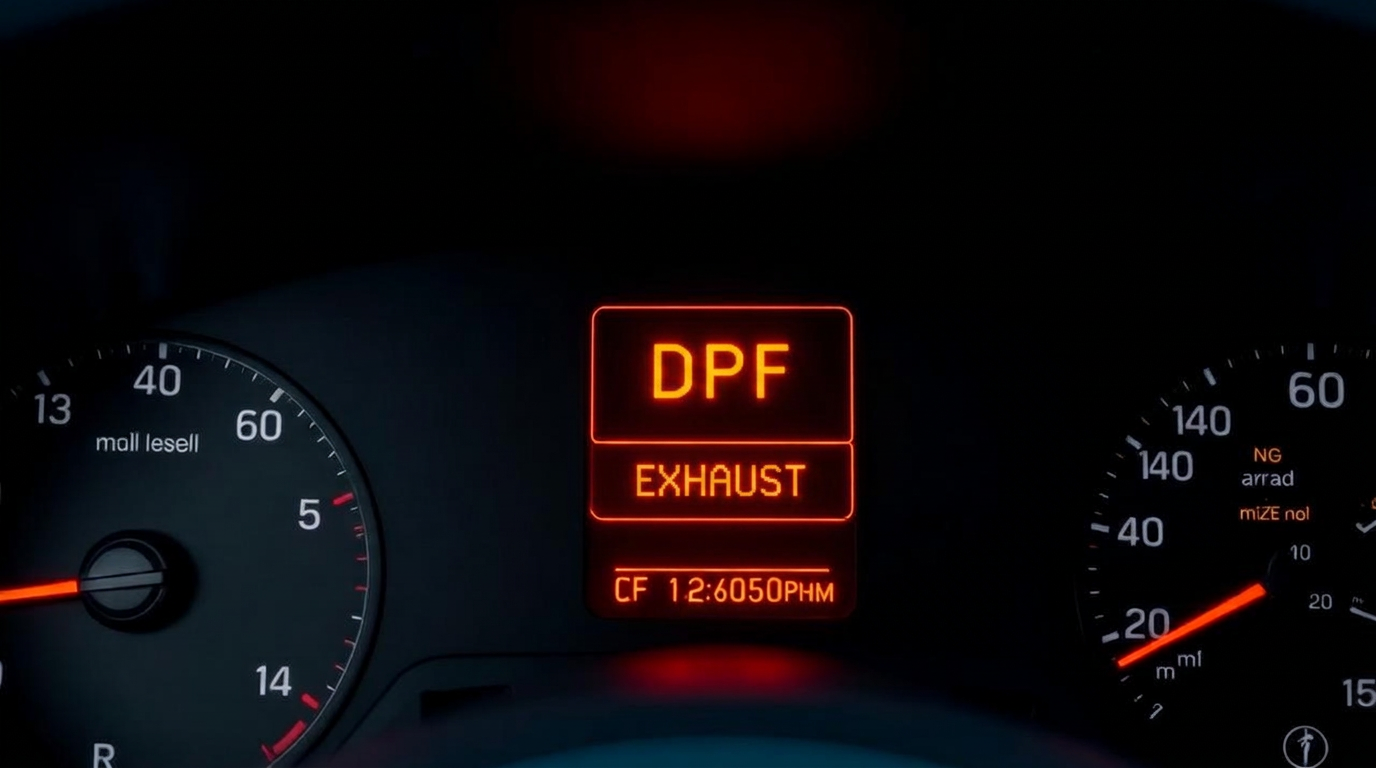
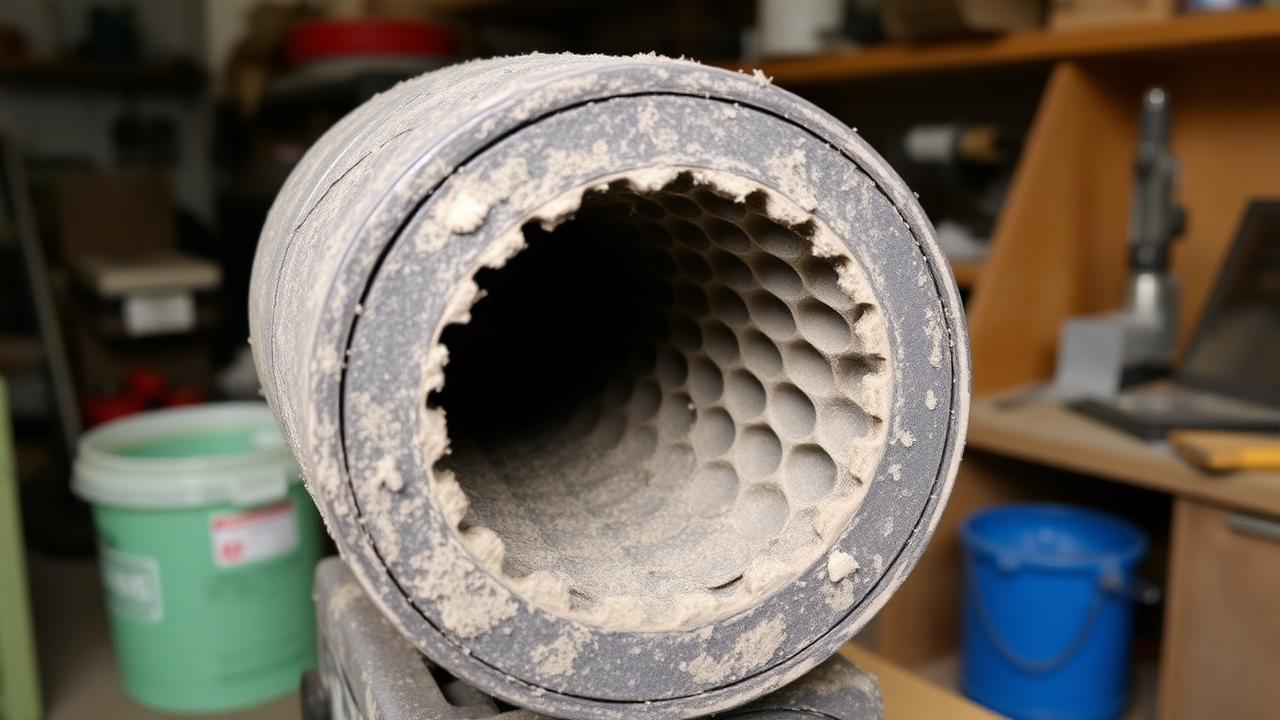
The reason the problem is so widespread is a mismatch between how the DPF was designed to work and how most of us actually drive. Regeneration — the process of heating trapped soot to around 600°C so it oxidises into a tiny amount of ash — needs sustained high exhaust temperature. That temperature is only reached when the engine is under steady load for fifteen to twenty minutes at a time. School runs, supermarket trips, stop-start commuting in traffic and taxi-style short hops all leave the engine cold or lightly loaded, which means the ECU either cannot start a regen at all, or it starts one and you shut the car off before it finishes. Every incomplete cycle leaves more soot in the substrate than it removed. Over months and years the honeycomb slowly plugs, back-pressure climbs, fuel economy drops, turbo response goes soft, and eventually the ECU throws in the towel, stores a fault code, disables regeneration and drops the engine into limp-mode to protect itself.
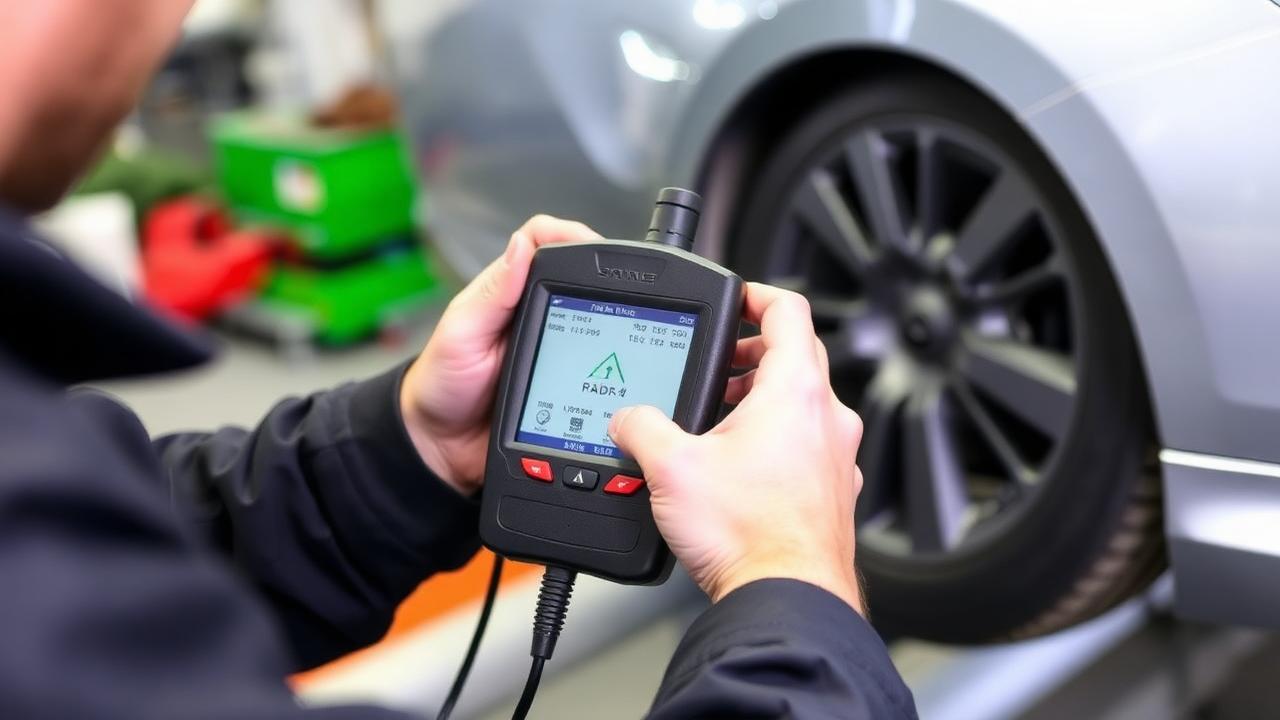
The DTC trouble codes that appear when this happens are remarkably consistent across brands because the OBD-II standard forces manufacturers to use the same generic P-codes for emissions faults. The five you will see most often are P2002 — DPF efficiency below threshold, meaning the filter is either clogged or damaged; P2452 — differential pressure sensor circuit fault, often the sensor or its hoses rather than the filter itself; P244A — differential pressure too low, a strong hint that a soot bridge or a cracked substrate is letting exhaust bypass the honeycomb; P244B — differential pressure too high, the classic "blocked filter" code; and P2463 — soot accumulation exceeds the maximum limit, which means the ECU has counted more grams of soot loaded than it believes the filter can safely burn off. Alongside these you may see P2459 (regeneration frequency), P24A0-P24AF (soot mass calculation) and manufacturer-specific codes for the EGR valve or the fuel-injected regen system. Reading the codes is always step one, because a bad pressure sensor and a genuinely blocked filter can look identical from the driver's seat but need completely different fixes.
Once you know which code is stored you can choose the right fix, and this is where the six methods we cover on the site come in. The first and most reliable is a forced regeneration commanded through a diagnostic scan tool. Instead of waiting for the ECU to decide conditions are right, the technician tells the ECU to raise idle, retard injection timing and inject a post-combustion pulse of diesel that burns inside the DPF to heat it to full regeneration temperature. A good forced regen takes twenty to forty minutes with the engine idling, uses maybe half a litre of fuel and if the substrate is still healthy it will clear the fault, drop the soot counter back to near zero and restore normal driving without any parts being removed. It is the workshop's first move for a reason — it works on filters that are loaded but not yet mechanically damaged, which is the majority of them.
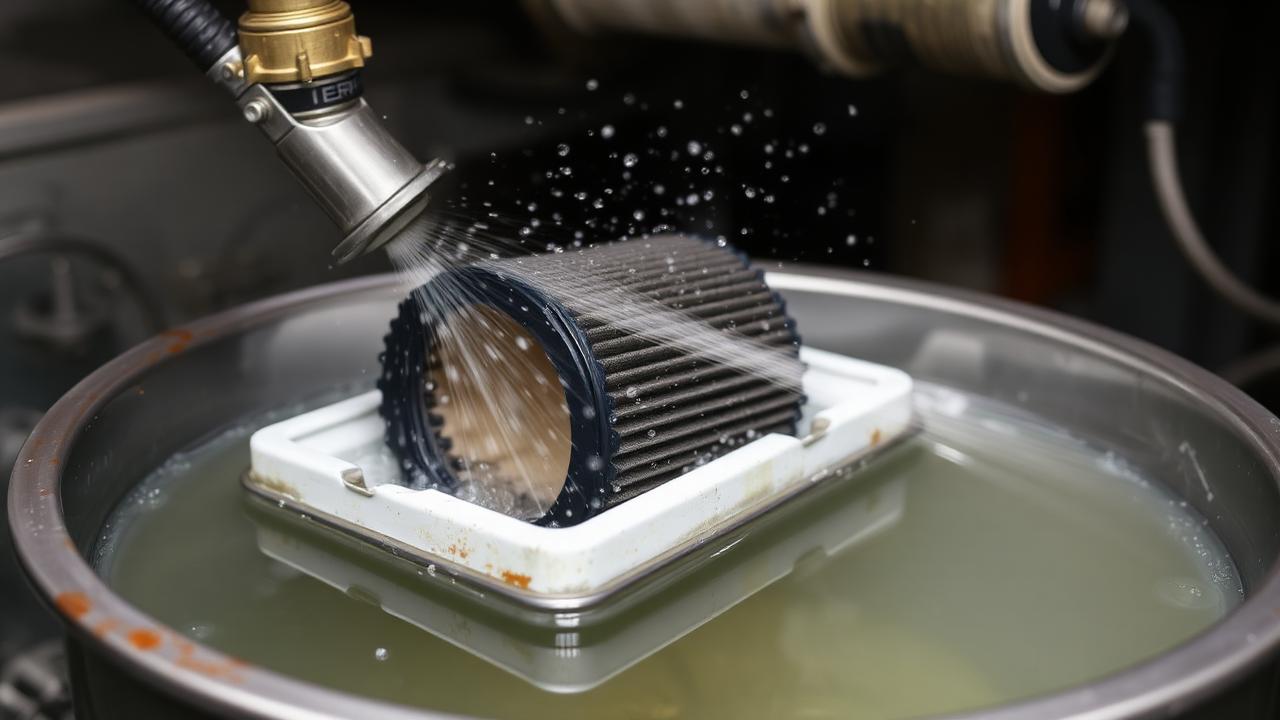
When a forced regen cannot start, or when it starts and fails because soot loading has passed the safety threshold, the next step is manual DPF cleaning. This means unbolting the filter from the exhaust, taking it to a specialist and cleaning it out of the vehicle in a chemical solvent bath followed by a high-pressure water or air flush. Done properly this restores the substrate to close to factory condition, removes not just soot but the hard ash left behind by lubricating oil additives, and gets you back on the road for a fraction of the cost of a new filter — new OEM DPFs frequently run between $1,500 and $3,500 USD. It is more disruptive than a forced regen because the car sits for a day, but it is the standard fix once the filter is properly plugged and it comes with a measurable before-and-after weight and back-pressure test.
If the warning light has only just appeared and the car has not yet gone into limp-mode, the cheapest fix in the world is the sustained highway drive. Find a quiet country road or motorway, drop the car a gear so the tachometer sits around 2,000 to 2,500 rpm and hold that for a solid forty-five minutes to an hour. What you are doing is giving the ECU exactly the load and exhaust temperature it needs to run its own passive regeneration to completion. Do not lift off the throttle for long stretches, do not stop for coffee halfway through and do not turn the engine off the moment you get home — if the instrument cluster shows the regen is still running (some cars display it, on others you will notice a slightly raised idle and a warm smell from the exhaust), keep driving until it finishes. Two or three of these drives spaced a week apart will often clear a mildly loaded DPF for free.

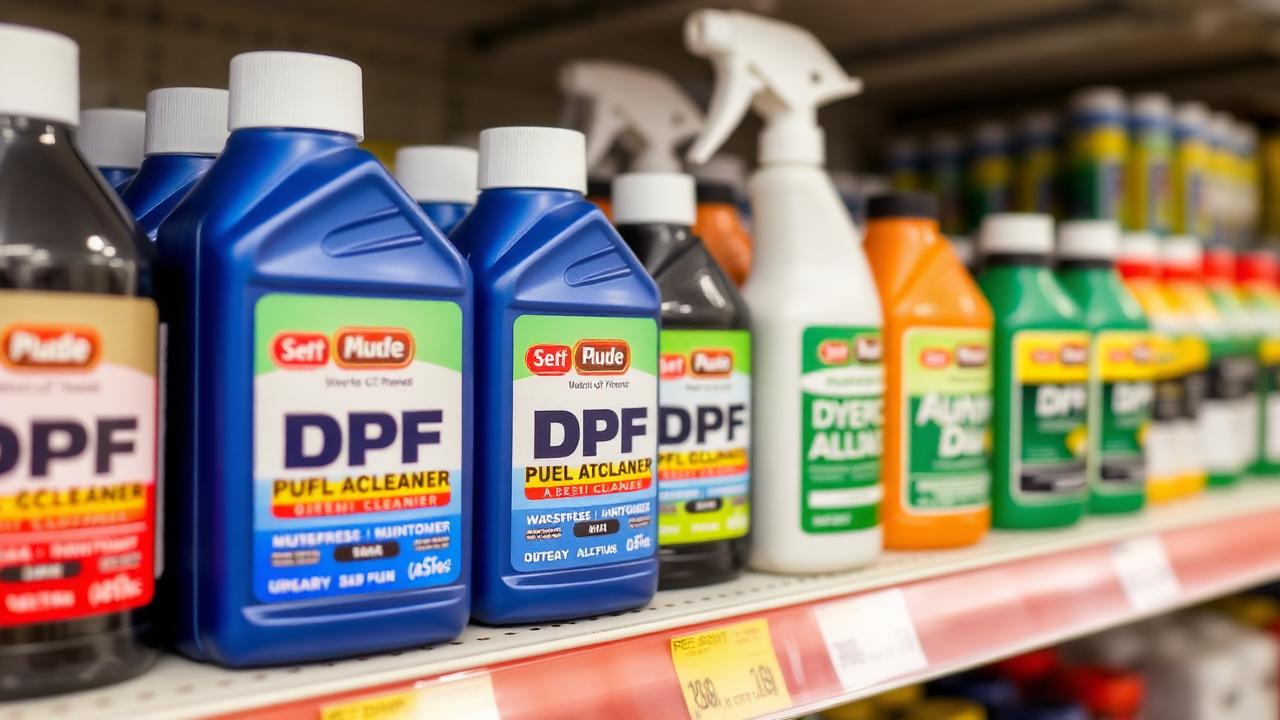
The fourth method is chemistry. DPF additives and fuel-system solvents — poured into the fuel tank or, in the case of the stronger products, sprayed directly into the DPF inlet through a bung — lower the temperature at which soot will oxidise and clean the injector tips, intake tract and EGR passages at the same time. On a filter that is not yet mechanically blocked they can be the trigger that lets the next drive cycle complete a regen that would otherwise have failed. On a very heavily loaded filter they are not a miracle cure, but combined with a highway drive or a forced regen they measurably improve the outcome, and used every few thousand kilometres as preventive maintenance they are cheap insurance against the whole problem coming back.
The fifth and sixth methods are the two bonus secret tips we discovered that almost nobody tells diesel owners about, and they are the reason our readers keep telling us their filters have stopped clogging in the first place. The first secret is the fuel level. Almost every European and Asian manufacturer programs the ECU to refuse to start a regeneration cycle if the fuel level is below roughly a quarter of a tank — the logic being that regen burns extra fuel and the manufacturer does not want you running out mid-cycle and blaming the car. Get in the habit of keeping the tank above half full and you will unlock regeneration attempts that would otherwise never happen. The second secret is the Mass Air Flow (MAF) sensor. A MAF sensor coated in oil mist from the crankcase breather reads low, the ECU responds by pulling fuelling back, combustion runs cooler and richer, soot production rises and the DPF loads faster. Ten minutes with a can of MAF-specific cleaner every service interval keeps the sensor honest, restores correct fuelling and quietly fixes the root cause of the whole regeneration failure — the DPF stops re-clogging because you have stopped over-producing soot in the first place. Between the four workshop-grade methods and these two prevention secrets, almost every DPF problem on the road today has a fix that does not involve a new filter.